
Best Safari Photography Tips In Africa
- Home
- Best Safari Photography Tips In Africa
Best Safari Photography Tips In Africa
Recommended practical safari photography tips for your African wildlife safari— camera gear recommendations, settings for wildlife, composition techniques, and common mistakes to avoid during an African wildlife photography.
The best wildlife photos don’t just come from faultless technical skills; they come from watching, being patient, and knowing how the landscape and animals behave around you.
Remember: You don’t need $10,000 camera gear to take the best wildlife safari photos. All you need; – the right settings, good timing, and a few composition tricks that separate snapshots from images worth framing. This wildlife photographic safari guide is for everyone — from smartphone users photographers to DSLR enthusiasts.
Preparing For Your First African Photographic Safari
You should consider some of the following aspects when planning a Kenya photographic safari.
9 Days Luxury Kenya Safari
Join us on this luxury safari, visiting some of the most epic wildlife locations…
5 Days Private Kenya Safari
Discover Kenya’s iconic destinations in this epic adventure…
6 Days Kenya Safari Tour
An unchartered wilderness journey on a 4×4 in Kenya’s intimate…
Selecting an Ideal Safari Setting
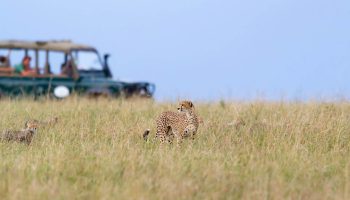
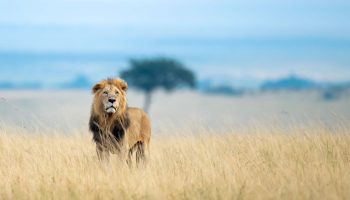
Let’s talk about picking some of the best destinations for photography tours. For a long time, It comes in as no surprise that Masai Mara has been known as one of the best places in Kenya for wildlife photography safaris. The vast landscape lets photographers see well over long distances, so they can get both close-up shots of animals and wide shots of the environment. This is all with very good reason as the wildlife viewing is exceptional, futhermore there is just something incredibly magical about the wide-open spaces.
The Seasons: Photographing The Wildebeest Migration
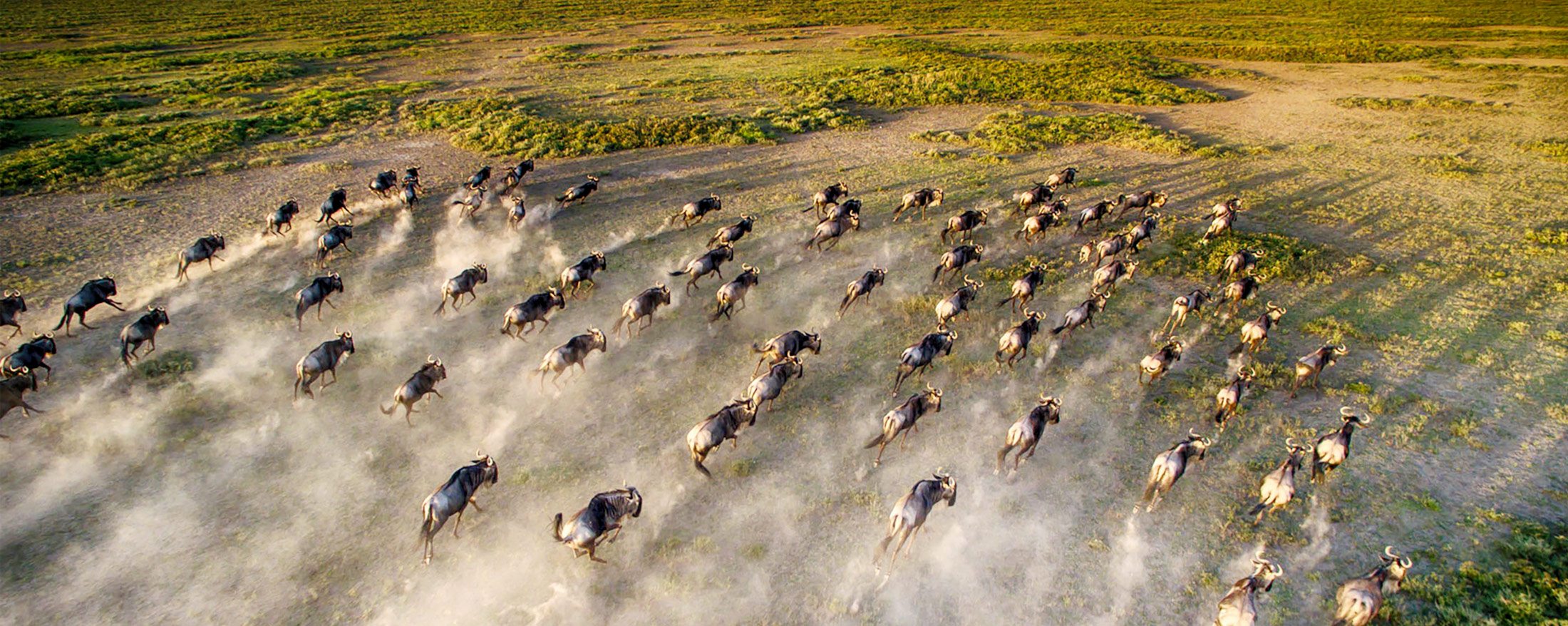
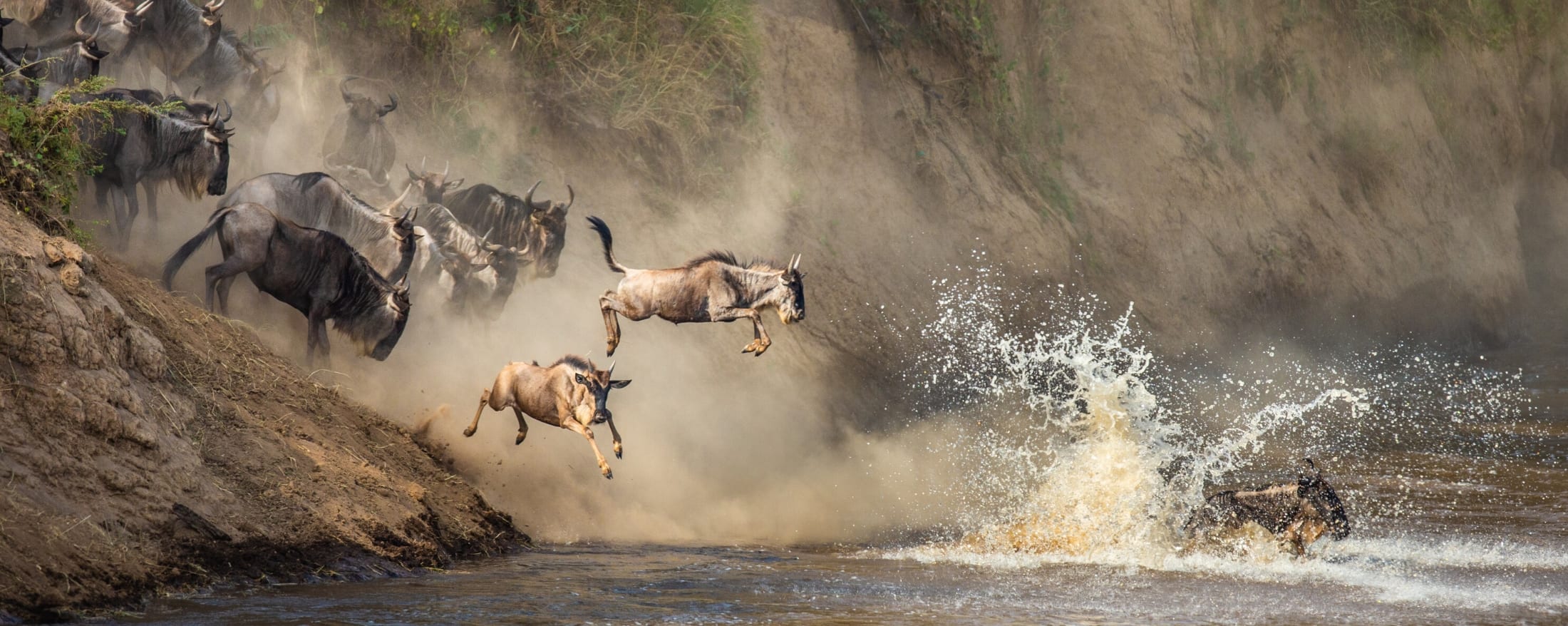
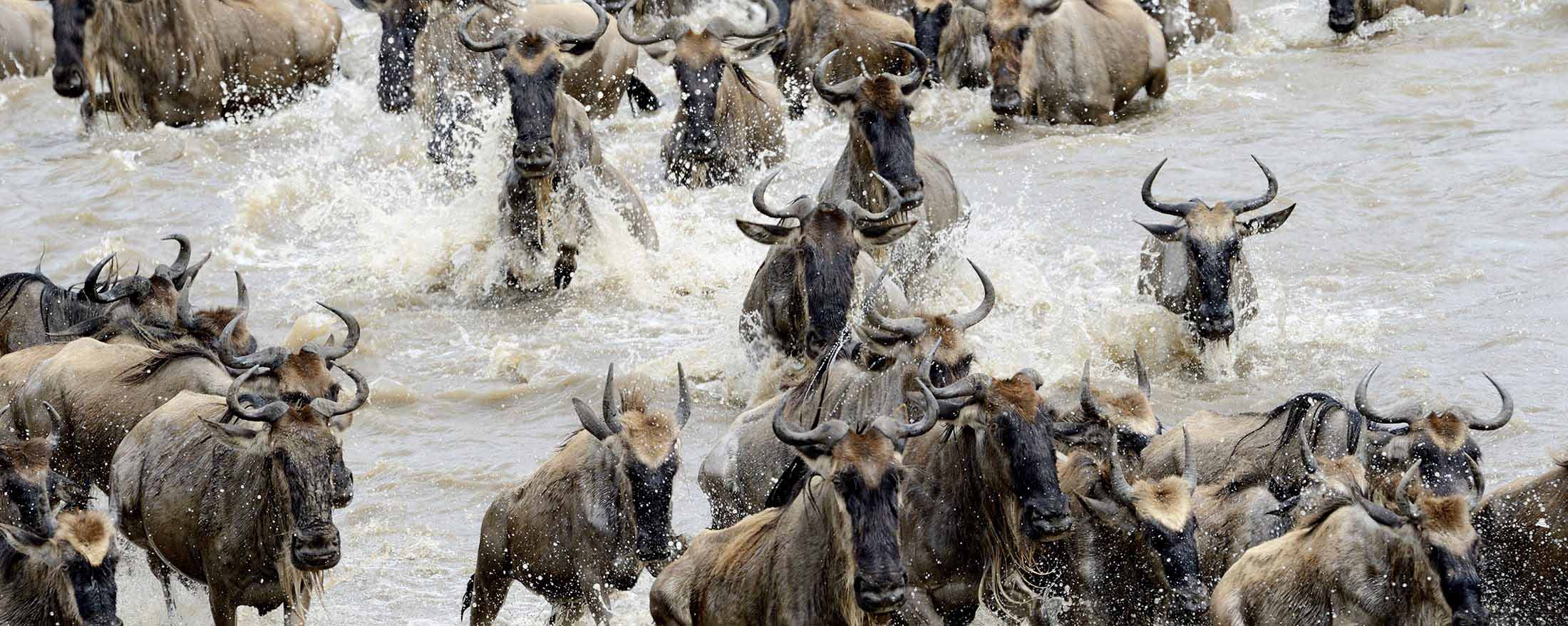
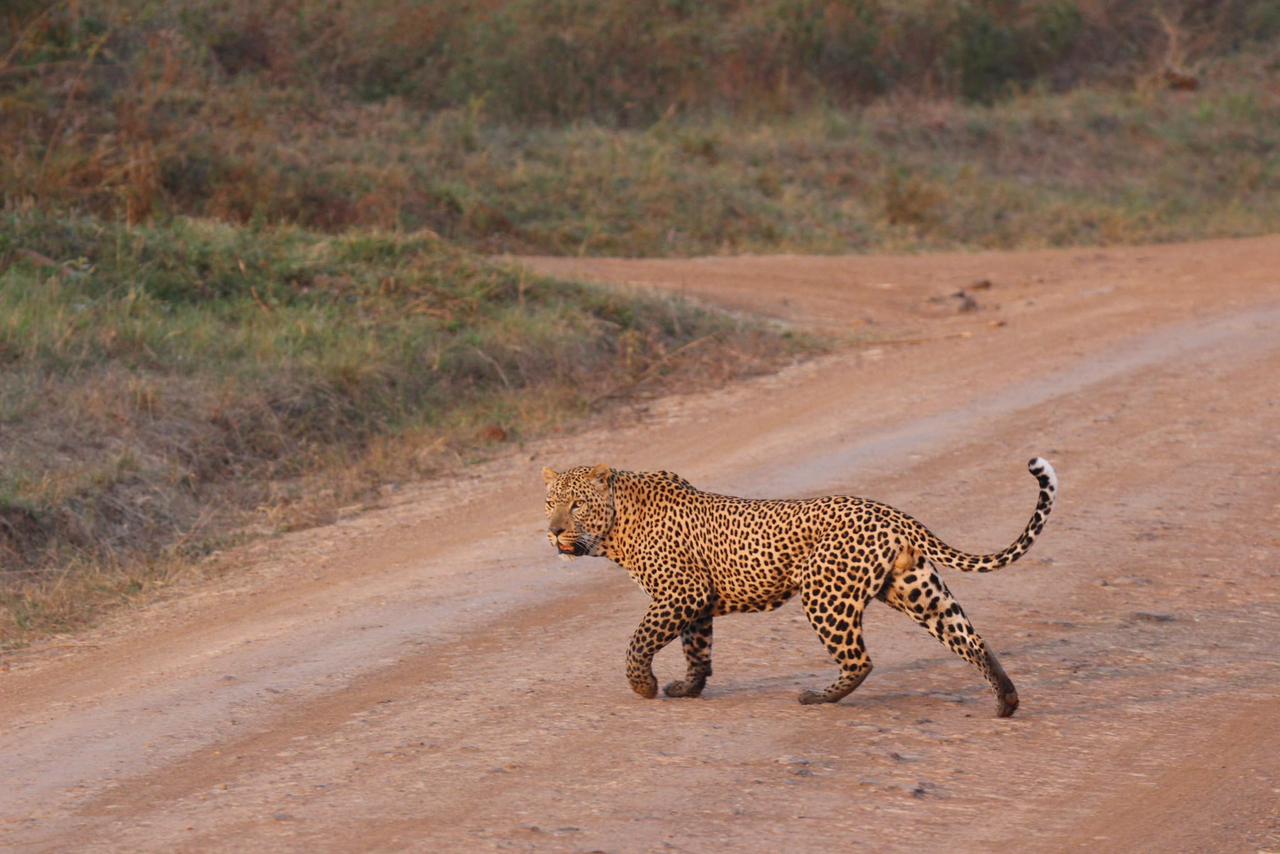
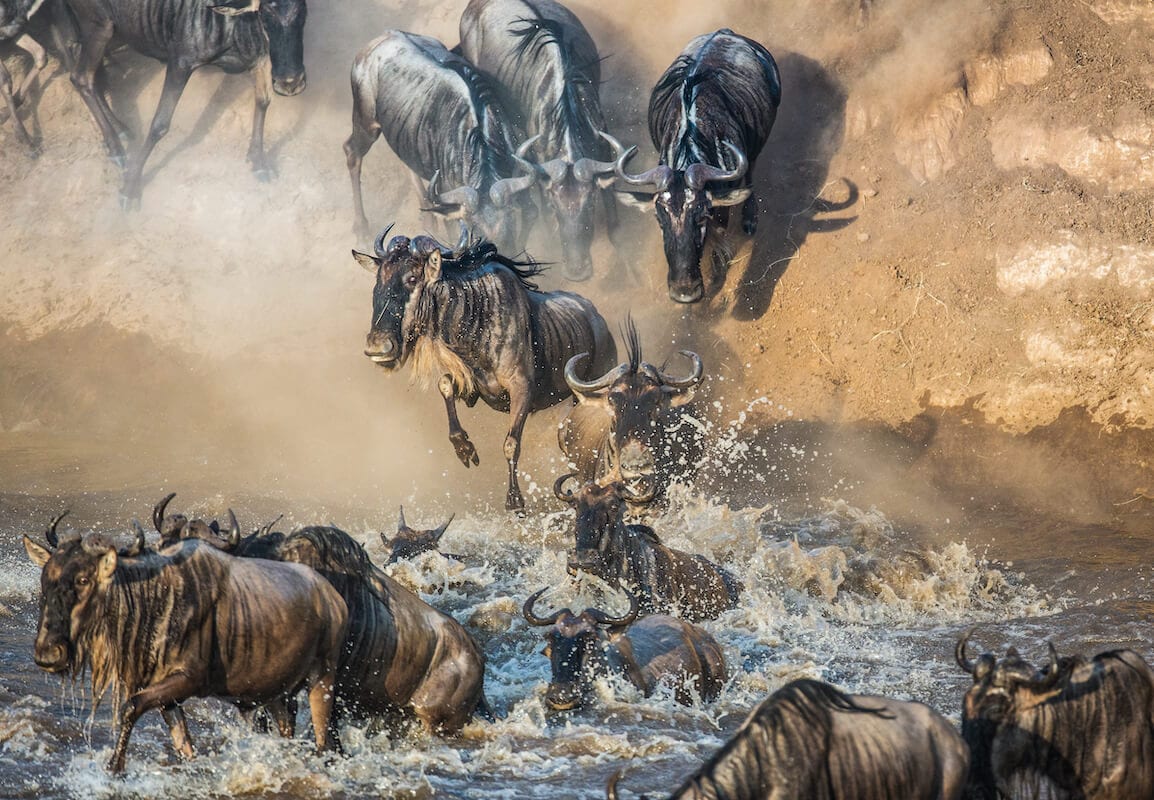
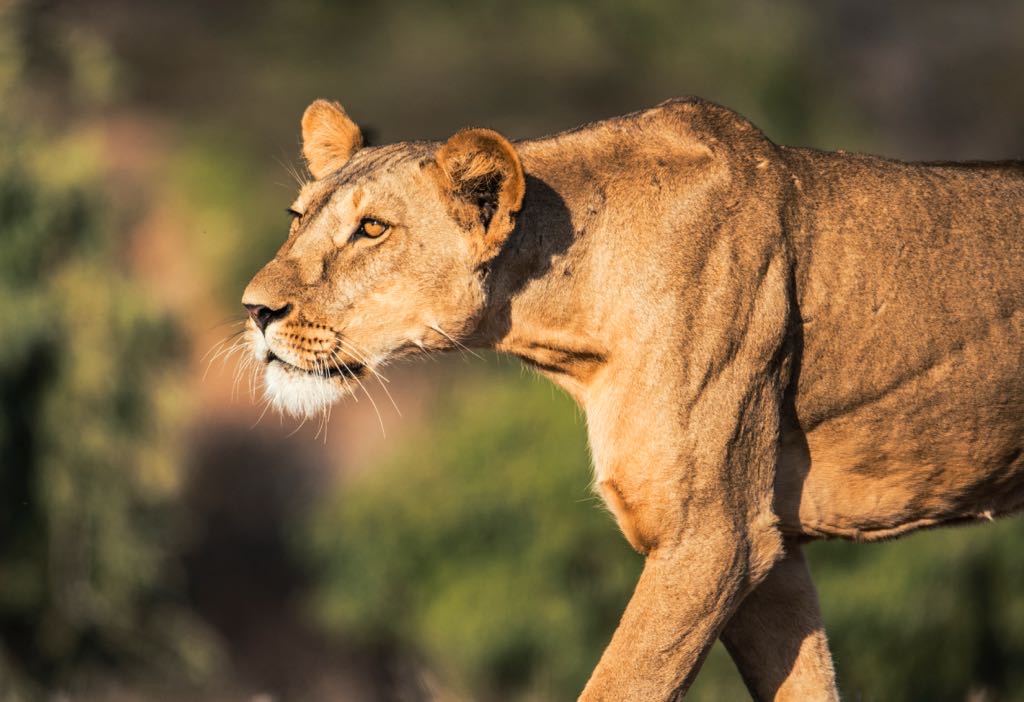
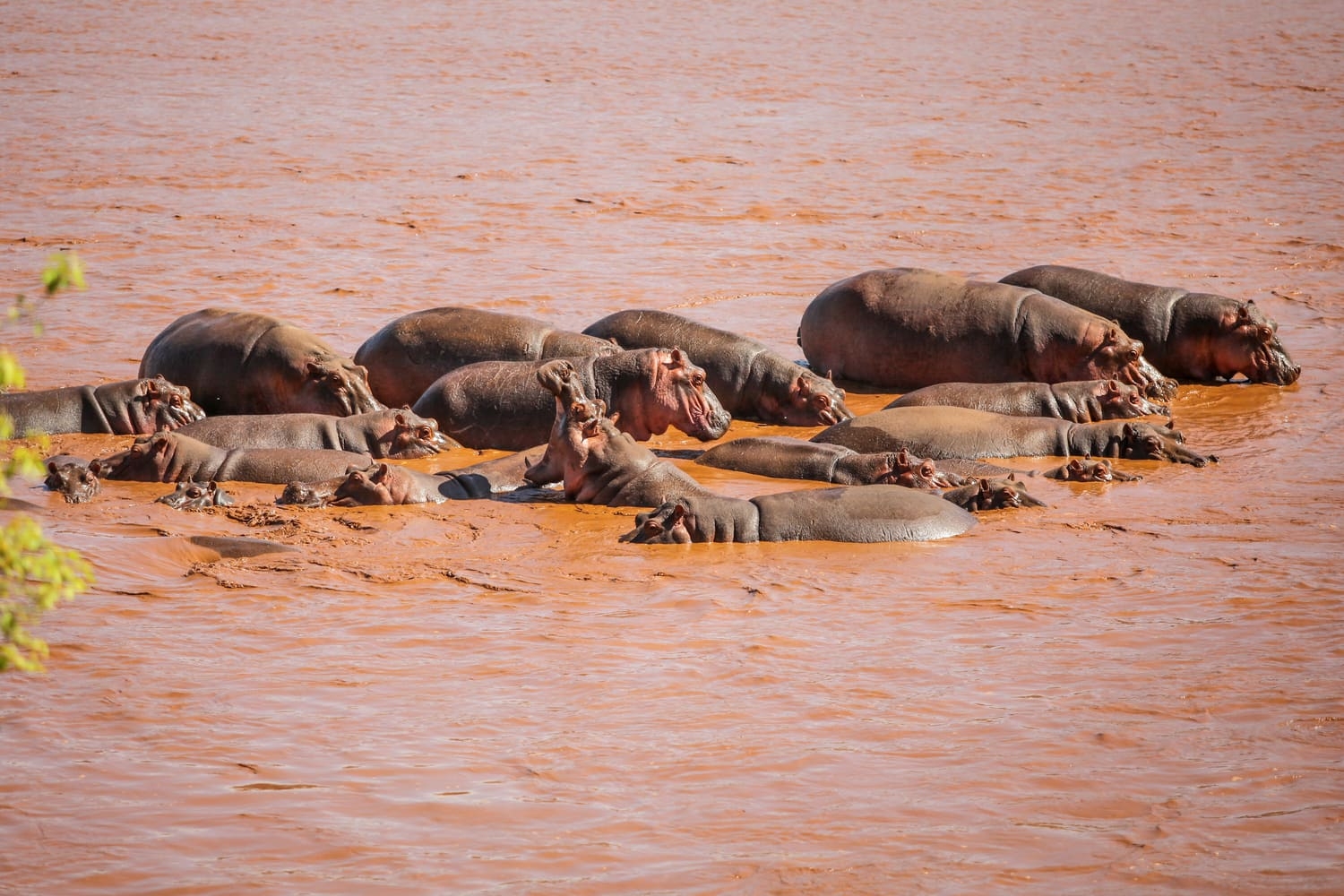
Throughout the year, predators are very active, and lions, cheetahs, and leopards are often seen travelling across the plains. Large herds of herbivores constantly move and interact, and river systems are home to hippos, crocodiles, and many kinds of birds. During the wildebeest river crossing months, typically from July to October, large herds of zebra and wildebeest migrate across the reserve. This spectacle is one of the most incredible sights in nature, bringing about the best opportunities for a Masai Mara photo safari. While it is incredibly special and exciting to see this, it certainly isn’t the only reason you should come on safari to Masai Mara! The magic of the Mara goes far, far deeper as does the magic of the migration.
Where To Stay: Choosing Luxury Accommodations
There are plenty of safari camps but location in the Masai Mara matters, big time! Such proximity to important wildlife areas inside the park meaningly reduces travel time, giving photographers more time to observe behaviour and wait for things to happen organically.
Some places are hours away from the wildlife action and although they can get you there you would get there mid to late morning when the light has become harsh and potentially most of the action has already happened.
The advantage to staying at safari lodges inside parks is that it allows for early morning and afternoon game drives without any rush.
Types Of Phones to Bring for African Photo Safaris
Smartphones; (Samsung S25 Ultra, iPhone 15/16 Pro, Google Pixel 9 Pro or 10 Pro). These modern smartphones are amazingly capable for an African safari photography. The iPhone 15 Pro’s 5x optical zoom and Samsung S25 Ultra’s 10x zoom can capture usable wildlife shots from a standard game drive distance.
-Use the telephoto lens (not digital zoom beyond the optical limit)
-Shoot in the native camera app for faster focus
-Turn off HDR for moving animals (it causes ghosting)
-Burst mode for action shots (hold the shutter button)
-Clean your lens — dust is constant on safari
Recommended Camera Gears for Kenya Photo Safaris
Camera
Telephoto lenses (ideally covering 24-100mm and 200-400mm range)
Lens cleaning equipment
Extra batteries
Battery Charger
Camera bag
Zip lock bags (to protect equipment from dust) but note plastic bags are banned in Kenya so use a cloth alternative!
Beanbag (to provide stability for your camera)
A notebook to record your day’s adventures while it’s still fresh!
Memory cards
Best Camera Settings for Photo Safari Tours
You may want to consider adjusting your safari camera to these settings as you embark on your Kenya wildlife photography.
General Wildlife – ^^Mode^^: Aperture Priority (A/Av) for most situations – **Aperture**: f/5.6–f/8 (balances sharpness with background blur – a larger aperture allows more light to reach the sensor, which is especially useful when driving early in the morning when light is still low) – **ISO**: Auto ISO, cap at 6400 (modern cameras handle this well at modest ISO levels, allowing photographers to use higher shutter speeds while still capturing good detail.) – **Minimum shutter speed**: 1/500s for stationary animals, 1/1000s+ for moving ones – **Focus mode**: Continuous AF (AF-C) with animal eye detection if available – **Drive mode**: High-speed continuous (burst) – **File format**: RAW if you edit; JPEG Fine if you don’t.
**Lenses**: The choice of lens also influences the results. Many wildlife photographers carry lenses that cover focal lengths from about 100 mm to 400 mm. Bring a wider lens for landscapes. Photographers can include landscape elements to give the image context with shorter lenses, while longer lenses allow them to get close to distant subjects.
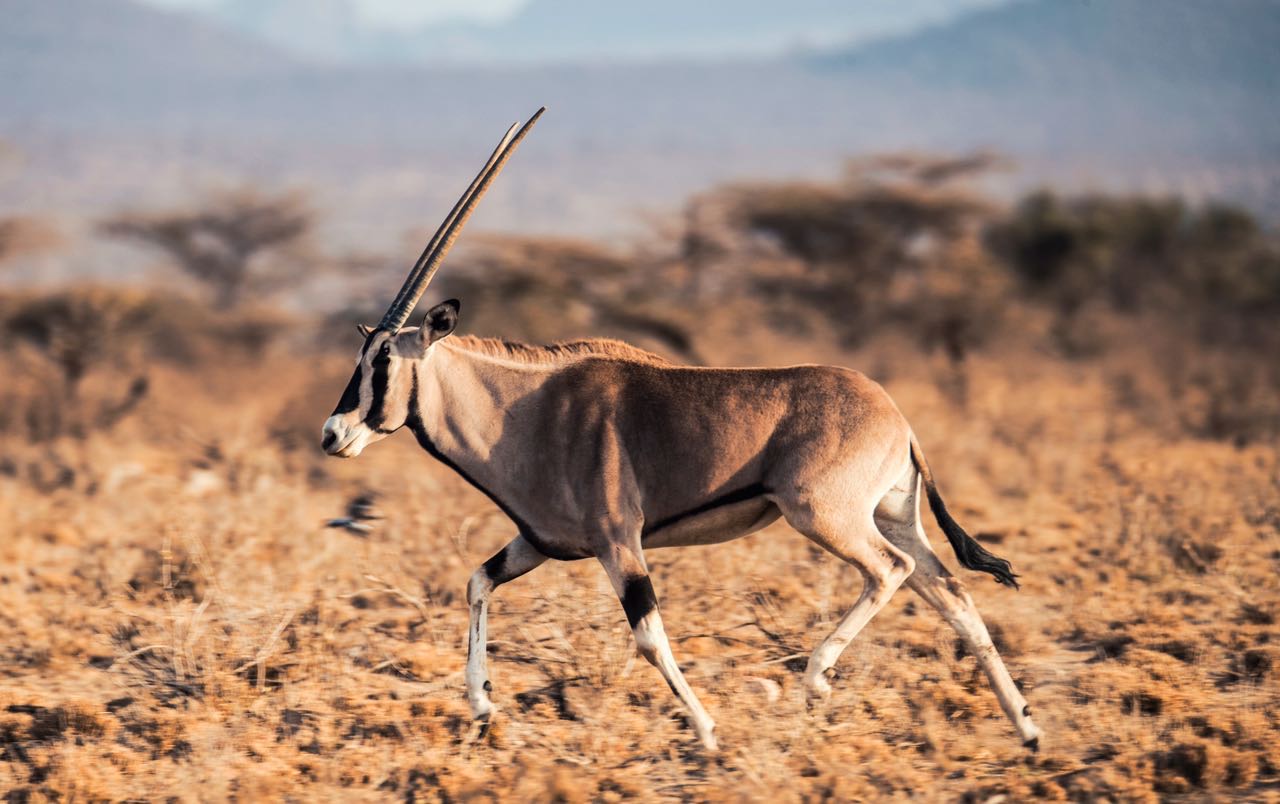
Action Shots (Running Animals, Kenya wildebeest river crossings) – **Shutter speed**: 1/2000s usually works well — when the shutter speed is fast, it can stop motion – **Aperture**: Wide open (f/4–f/5.6) to maximize shutter speed – **ISO**: Let it climb. A grainy sharp shot beats a clean blurry one – **Focus**: Continuous AF with tracking enabled – **Burst**: Fire in bursts of 10–15 frames
Birds in Flight – **Shutter speed**: 1/3000s+ – **Aperture**: f/5.6–f/8 – **Focus**: Use the widest AF area mode with tracking – **Tip**: Pre-focus on where you expect the bird to fly, then fire as it enters the zone
Low Light (Dawn, Dusk, Nocturnal) Early morning and late afternoon produce the **best light** — warm, soft, directional. But it’s also the dimmest. – Push ISO to 3200–12800 as needed – Open aperture to maximum – Use a beanbag or brace against the vehicle for stability – If your camera has IBIS (in-body stabilization), rely on it.
Composure Tips for Photo Safari Snapshots
- Try include the wildlife habitat; remember that not every photo shot needs to be on a tight head portrait. Adding that environmental habitat helps tell a story that a close-up portrait can’t.
- Patience is your greatest tool; the best wildlife photos capture ‘action’ – example, a lion yawning, lions chasing buffaloes, cultural social interactions (but always ask first before taking someone’s personal photo), a bird on a tree branch. Instead of just photo shooting any moment you see a lion, watch its behavior first.
- Capturing wildlife eyes is almost everything a wildlife photographer longs for. Focus on the animal’s nearest eye. If the eye isn’t sharp, nothing else matters.
- Try always leaving space for movement if an animal is moving or looking to one side, place it off-center and leave space in the direction it’s heading.
- Position yourself well in the safari vehicles; sometimes you need that good height, relative to many animals – but, when possible, shoot from the lowest window angles or safari vehicle roof hatch.
- Remember! Light matters more than subject; a common bird in golden backlight makes a better photo than a leopard in flat midday sun. Always use the light to your advantage, not just the animal.
Make the Most during Golden Hour on Safari
These hours are often the most crucial for safari photographers.
In the Masai Mara, the best times to take pictures are right after sunrise and right before sunset, which are known as the “golden hours”.
There are two time periods during which golden hours takes place;
^^Morning golden hour ^^: 6:00–7:30 AM (varies by season). Warm, low-angle light. Animals are active after the night.
^^Evening golden hour ^^: 4:30–6:00 PM. Similar warm light, plus animals heading to water.
The midday hours (11 AM–3 PM) produce harsh overhead light with strong shadows. This is a good time to rest, review your shots, and charge batteries.
Generally, during these times of day, the sun is low on the horizon, creating soft, directed light that highlights the texture of fur, feathers, and the surrounding environment. Early morning is also when animals are most active, as predators monitor their areas and herbivores move across the plains.
Common Mistakes during Photographic safaris to Africa
Focus on animal behaviour, not just close‑ups. Remember that photo safaris rewards those who are patient.
- Shooting photos through dirty safari vehicle windows: always use the open 4×4 vehicle roof hatch, or photograph using the large open vehicle windows.
- Over-zooming subjects: remember that not every wildlife shot needs to be frame-filling. Just photograph the animal in its natural environment.
- Chimping: don’t review every shot on the LCD or viewfinder immediately after taking a picture, you’ll miss the next great moment. To prevent this, ensure your settings are well set.
- Not backing up your images: always try and transfer photos to a laptop or portable hard drive after every safari session. Remember cards fail, cameras can drop. Take this caution to prevent losing your hard-earned safari images.
- Don’t forget the non-wildlife safari moments: the best African photo safari tours also include capturing camp life, golden sunsets, your travel friends, cultural safari encounters — they also form part of your safari.
- Respect wildlife and ethical photography practices; being ethical is still the most important part of good wildlife photography in Africa. Photographers should put the well-being of animals above any picture.
Ready to Plan Your Wildlife Photography Safari In Kenya?
Early preparations play a significant role in successful wildlife photography experiences in Africa. Understanding safari rhythms, seasonal patterns, and daily wildlife activity improves both photography opportunities and overall enjoyment.