
Kenya & Tanzania Wildebeest Migration
- Home
- Kenya & Tanzania Wildebeest Migration
Kenya & Tanzania Wildebeest Migration
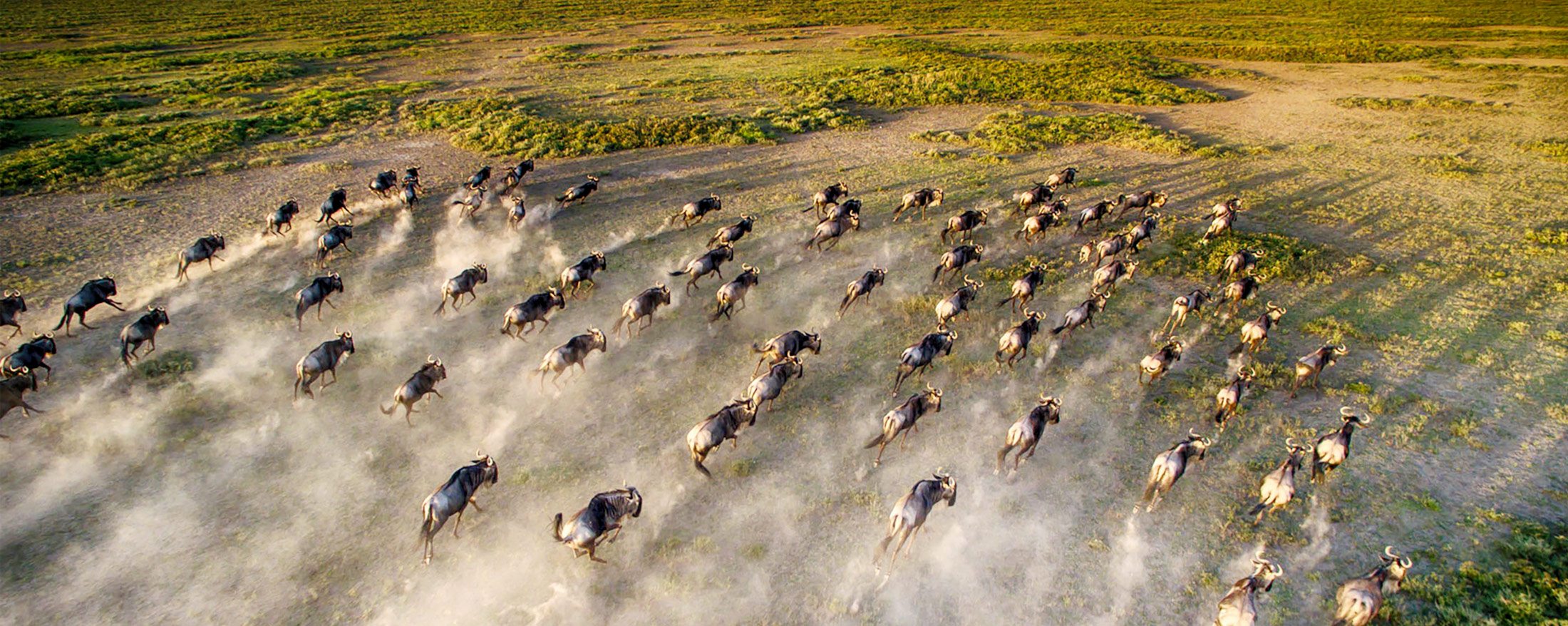
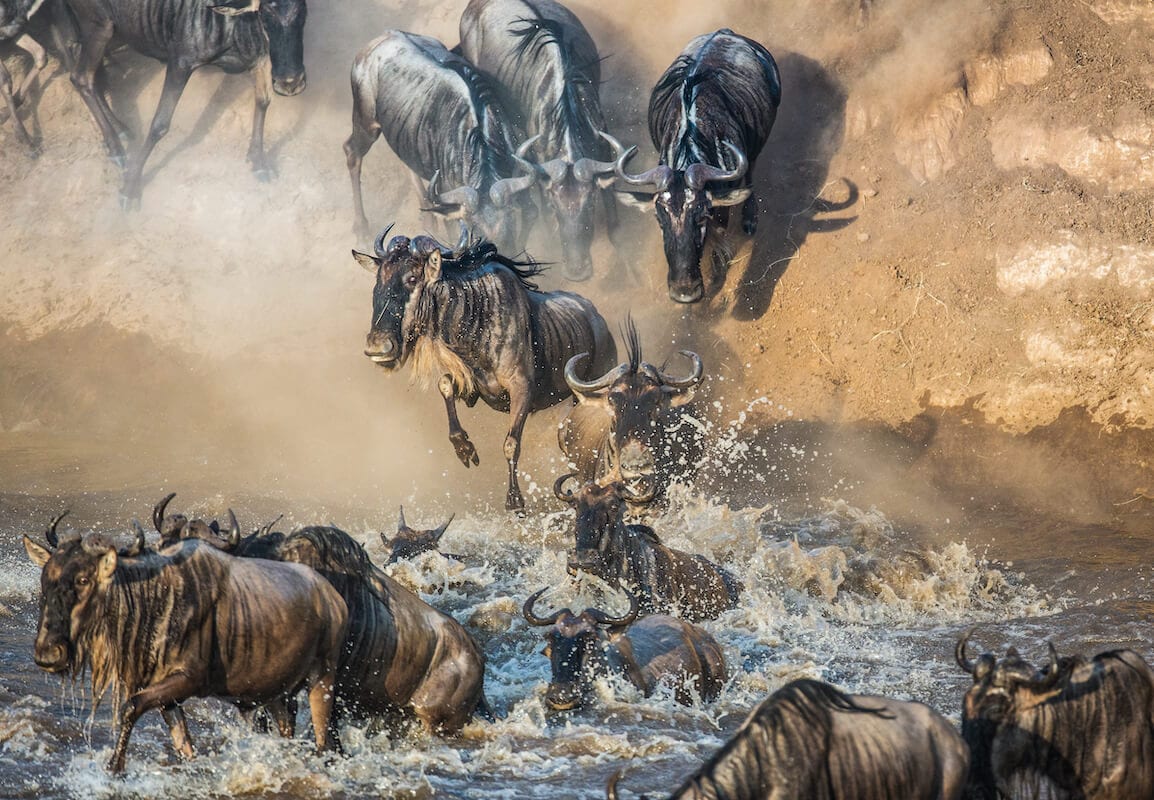
Watching the wildebeest migration cross the Mara River is the most fascinating safari adventures you can ever witness in East Africa. Each year, more than 1.5 million wildebeest travel thousands of kilometres from the south of Serengeti into Kenya’s Maasai Mara and back again in an endless migration cycle in search of fresh grazing land. Them crossing the Mara River is the climax of this journey, a sight filled with drama, death and endeavor; it’s one of Kenya’s best safari experiences – there is nothing else like this on earth.
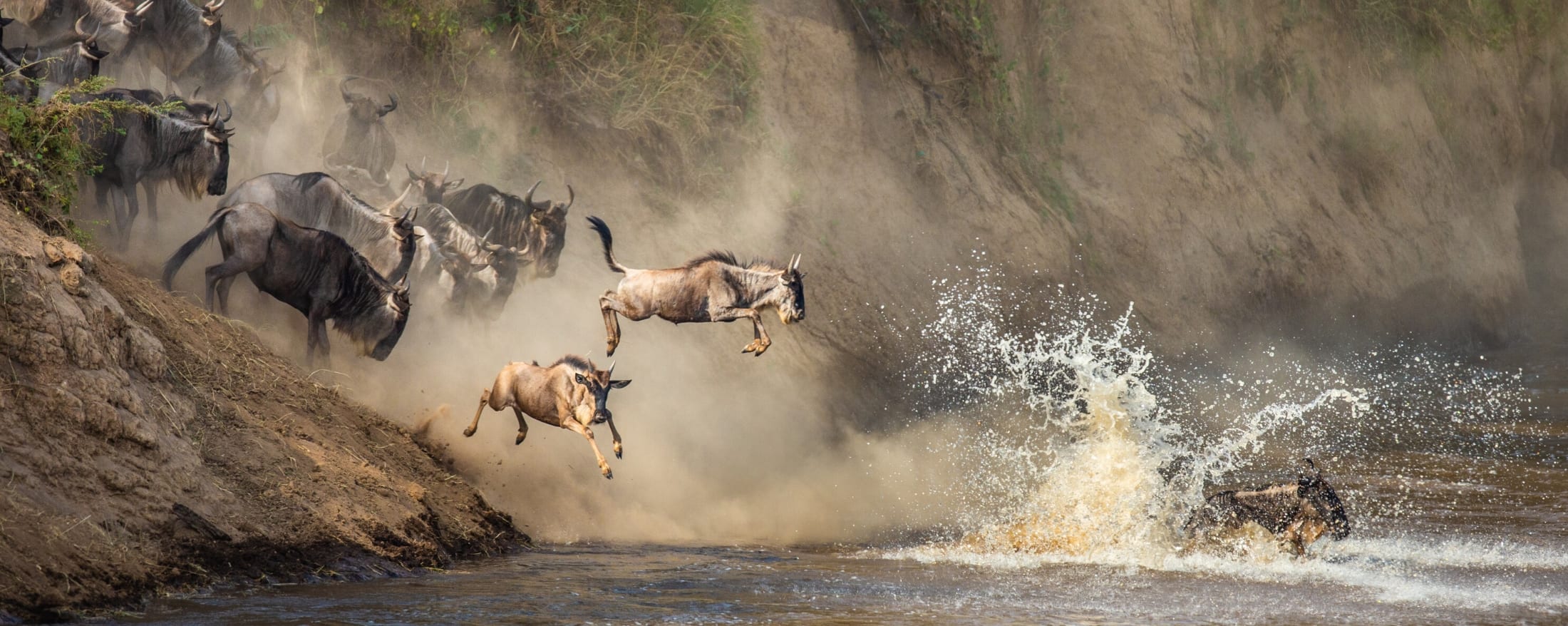
Attracting travelers all year round to witness this breathtaking sighting, it’s not hard to see why the wildebeest migration tour is one of Africa’s bucket list safari experiences. Watch in wonder as they cross and jump high cliffs into crocodile-infested rivers with the hungry predators watching every move. And though the herds generally follow the rains, timing is totally important but still, there is not an exact science as to when they’ll arrive at each point.
Luckily, we’ve been planning wildebeest migration safaris in Africa repeatedly, and we’ve helped multiple travelers to be in the best possible places to see the wildebeest migration river crossing, at the best possible time. If you’re planning a migration safari in Tanzania and Kenya, and in need of expert advice, then look no further. We’ve compiled all our specialist tips in this detailed beginner’s guide to the wildebeest migration safari.
Wildebeest Migration River Crossing Safaris
Why embark on one of our unforgettable Great Wildebeest Migration safari packages? Quite simply because, there is nothing to equal it on the planet. An immense, herding mass of wildlife, by the millions, plodding forward in an ageless route of survival. The search for taller and fresher grasses sends these hordes of grazers – wildebeests, zebras, gazelle, and others – on a constant migration throughout the twelve months of the year, creating a cycle as predictable as the seasons themselves.
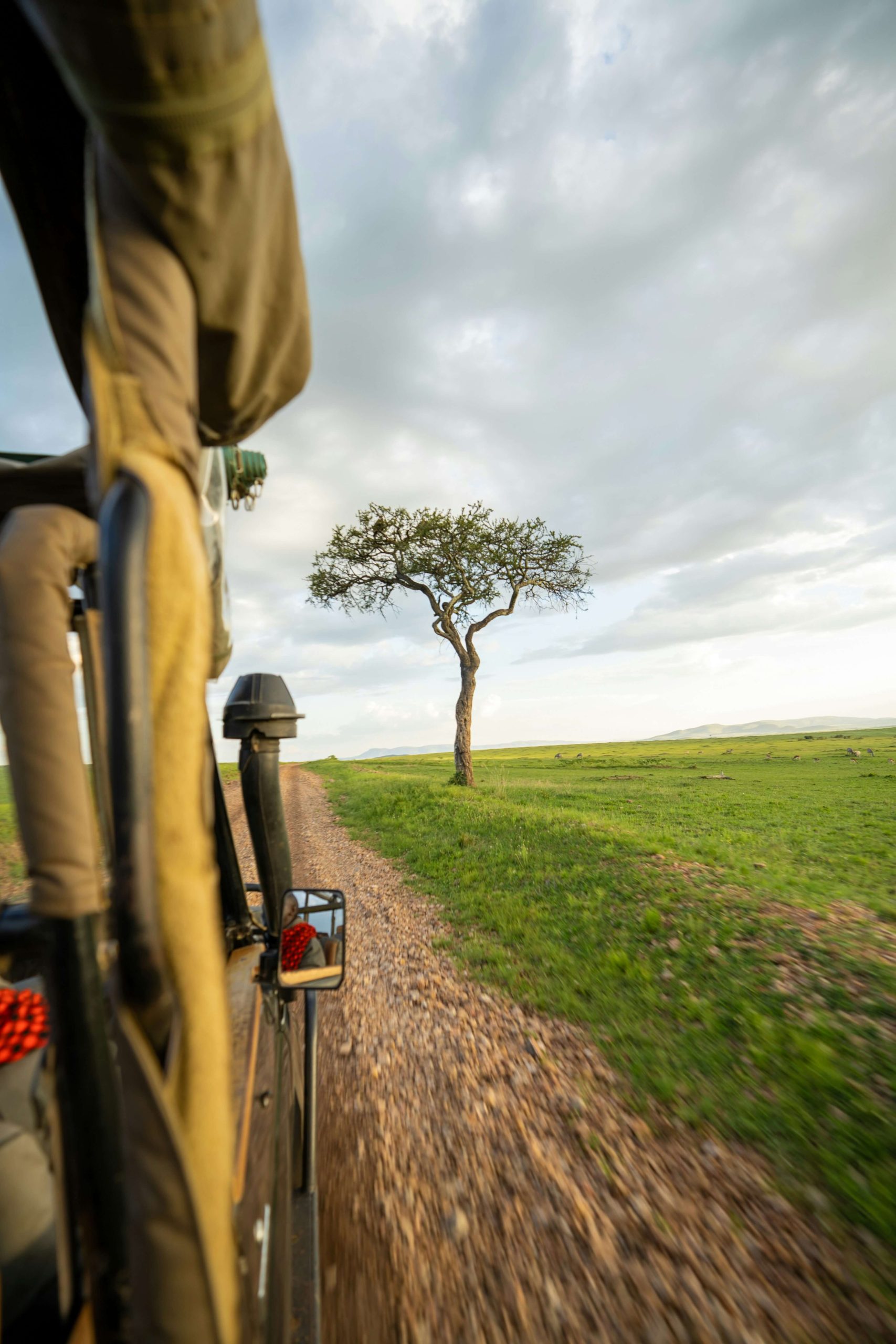
9 Days Luxury Kenya Safari
Join us on this luxury safari, visiting some of the most epic wildlife locations…
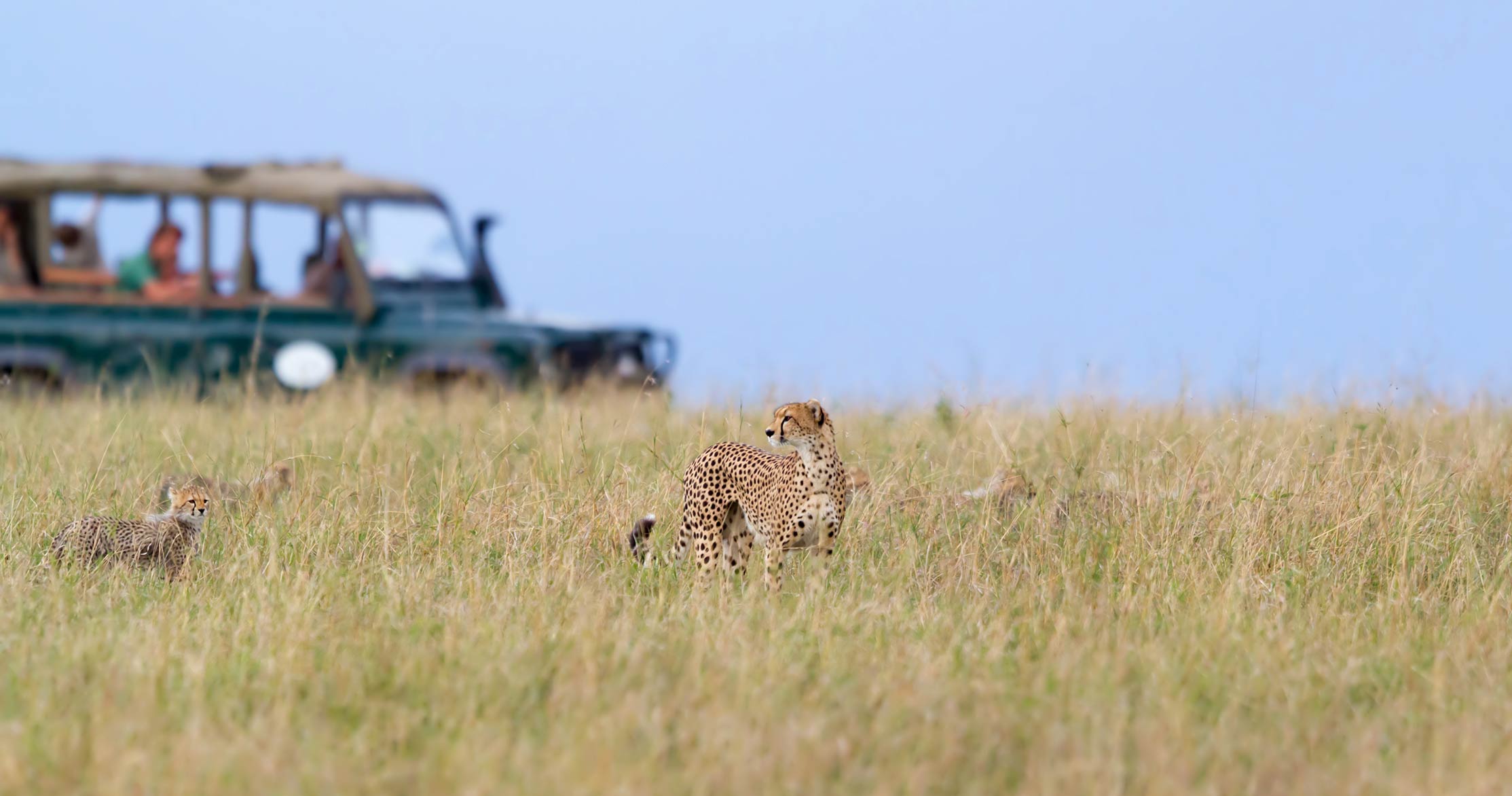
5 Days Private Kenya Safari
Discover Kenya’s iconic destinations in this epic adventure…
6 Days Kenya Safari Tour
An unchartered wilderness journey on a 4×4 in Kenya’s intimate…
What Is The Great Migration
Famous by the names; the Gnu Migration, Masai Mara Migration or Serengeti Migration – the Great Migration is actually a year-long repeated movement of a million plus wildebeest accompanied by large numbers of zebra, and smaller numbers of Grant’s gazelle, Thomson’s gazelle, eland and impala following the climatic rainfall patterns from the eastern part of Serengeti Park down through the northwest of Ngorongoro Conservation Area, back up through the central and west of the Serengeti, all the way into the Masai Mara, and then back down again through the center and east of Serengeti, continuously looking for fresh grazing land – this is a one of a kind display of wildlife behavior, and wildlife movements left on the planet.
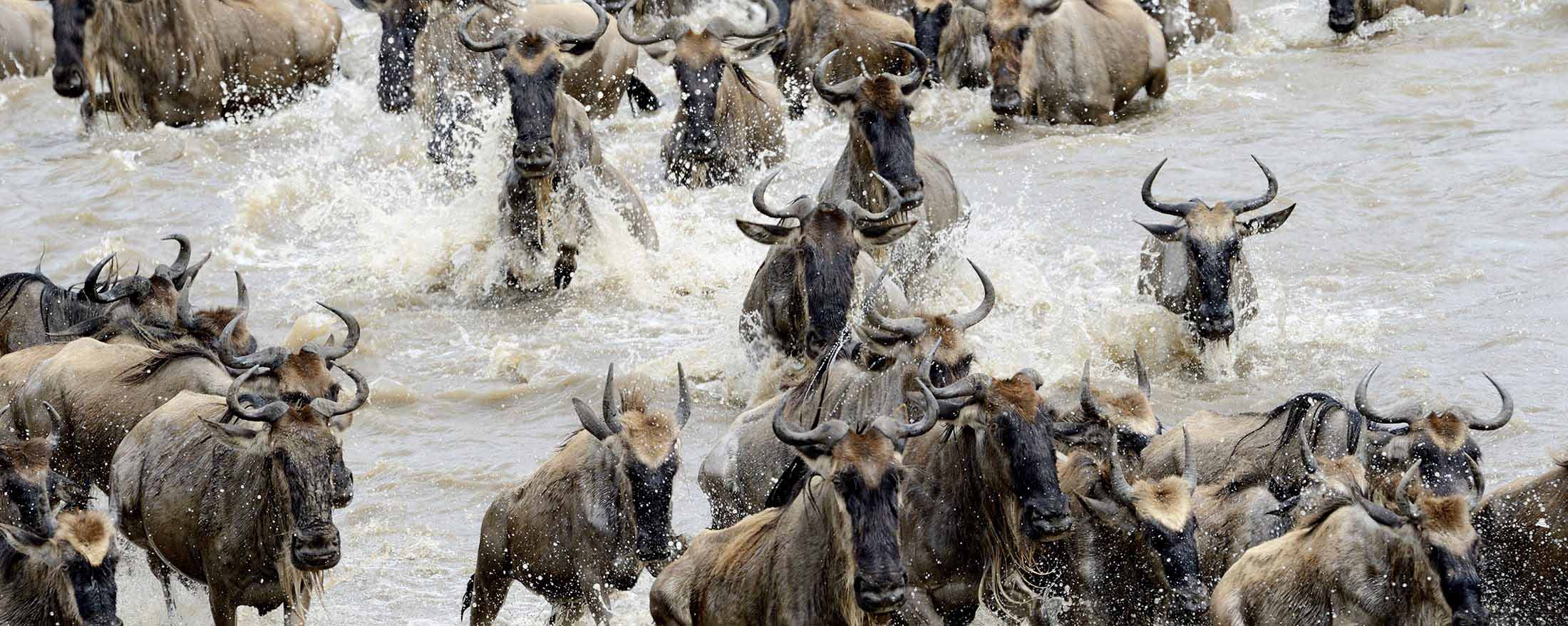
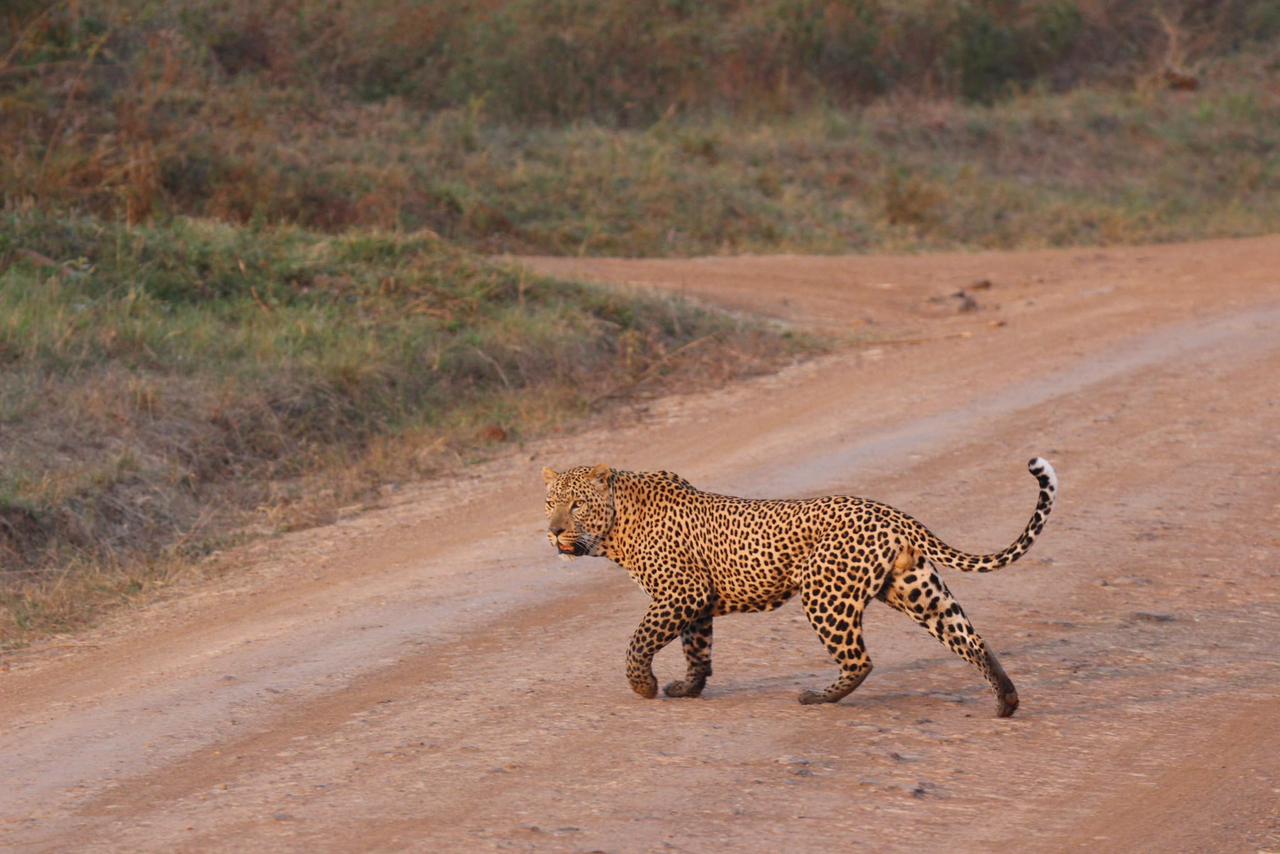
Watch as they rush blindly into the water, as the oversized crocodiles patiently wait for the crossing herds, ready to snatch down any individual that makes a wrong move. And, on the opposite side of the river bank, hungry lions, leopards, hyena clans, cheetahs and jackals wait.
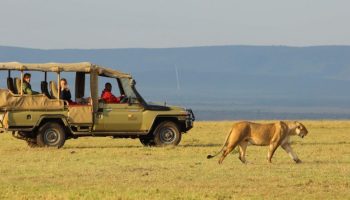
Africa Wildebeest Migration Safari Key Stages
There’s plenty of action to be seen during the whole Migration safari, and lots of events that happen in between the migration. Most travelers consider the Mara River crossing to be the most exciting part of their Great Migration trip. Listed below are the 6 key stages to a Wildebeest River crossings in Africa:
The Calving Season (around late January to March):
This period in the southern plains of Serengeti is when most wildebeest give birth to their young calves. The plenty of newborn helpless young calves means the arrival of predators, expect to see the big cats, jackals, cheetahs and hyena clans hunting easily due to the great numbers of wildebeest.
Start of Mating Season, moving north (April – May):
Next, the herds are making their way north along the grassier plains of the Serengeti’s western corridor. Mating season begins toward the end of May.
Grumeti River Crossing (June – July):
During this time, more so around June the wildebeest migration is often paused on the southern side of the Grumeti River. The crocodile-infested Grumeti River is one of the first problem that slow down the wildebeests on their migration from Tanzania to the Maasai Mara. Eventually, the wildebeest and zebras cross the perilous Grumeti River, trying their best to make it unharmed.
The Climax – Masai Mara River Crossing (July – August):
This is arguably the best time to witness the Great Migration as the herds brave the treacherous crocodile-infested Mara River, they are now moving quicker. It offers the best chance to see wildebeest river crossings, though they’re never guaranteed. Additionally, you also have a good chance of seeing predators taking down the weakest herd members.
Grazing in the Maasai Mara (September – October):
The wildebeest and zebras take advantage of the abundant grasslands in Kenya’s Maasai Mara. They will later on face the heavy waters of the Mara River once more as they prepare to cross once again for their return journey southward.
Back to Tanzania (November – December):
The short rains have begun, driving the wildebeest to leave the grasslands of the Masai Mara and head back into the Serengeti. The herds start their long journey back to Tanzania, where they will give birth to the next group of migrators.
Africa Wildebeest Migration: When and Where...
Where is the wildebeest migration now? Let’s dive in at the probable outline of when and where to expect those special moments during the Great Migration, but keep in mind, there is no way to know for sure that the herds will cross the river during a particular period of time.
Wildebeest Migration Safari In January
Around January every year, the wildebeest herds converge on the Serengeti’s eastern edge, and into the Ngorongoro Conservation Area. Between Lobo area, Naabi Hill, Kusini and Ndutu The herds are on the move freely in search of good grasses, and best conditions for raising their newborn calves. January is the beginning of what we refer to as the start of wildebeests’ calving or birthing season, and you may be rewarded with a few early calving sightings. Where are the wildebeest herds in January? Ndutu Conservation Area and Serengeti South.
Wildebeest Migration Safari In February
Around late January and February, the wildebeest herds move and now seen settling in their main calving grounds – around Ndutu and Kusini plains, the lower northern slopes of the Ngorongoro Crater highlands and around Olduvai Gorge. February is usually calving season in the Ndutu area and the southeastern plains: the very best time to visit this area; it’s an ideal location for wildebeests to give birth to their young, (nearly over 8 000 wildebeest babies are born each day!) – but with this, comes lots of danger from the predators who come for an easy kill. Where are the wildebeest herds in February? Ndutu Conservation Area and Serengeti South.
Wildebeest Migration Safari In March
March – In this period the best area to see wildlife is around Lake Ndutu, in the heart of the wildebeest gathering. Still on calving season; the wildebeest herds move slowly, while many newborn calves are fed. The Serengeti’s Ndutu, Kusini plains, and Maswa areas are home to the Serengeti’s wildebeest herds. Those interested in witnessing calving and the drama of Serengeti’s big cats on the hunt, the southeastern plains, mostly Ndutu is the place to be.
If the grass is good here, the herds will remain in Serengeti’s southern plains and the Ndutu safari area before they slowly start advancing. Where are the wildebeest herds in March? Central Serengeti
Wildebeest Migration Safari In April
In April, you can witness the herds along the plains in the Naabi and Kusini areas. Furthermore, the newborn calves have reached an age where they can move, forcing the wildebeest herds to prepare for their march onwards. They are joined by many zebras, and a scattering of Thomson’s and Grant’s gazelles. In addition, towards late April the (mating) season slowly begins. Where are the wildebeest herds in April? Central Serengeti
Wildebeest Migration Safari In May
In the month of May, as the calves’ legs now become fully functioning, the herds are moving a little quicker now that the calves are stronger, allowing them to cover long stretches of several kilometres. At this time to you may have the opportunity to witness more than a million marching wildebeests in a column, covering up to 40 kilometers (approx. 25mi) long. The herds start to congregate by the Moru Kopjes and west of Seronera, a popular path of migration.
They will later on be sighted in Simba Kopjes and Moru Kopjes in the Central Serengeti for much fresher grass, accompanied by the thousands of zebras and smaller groups of antelopes. Their movement is northwest moving through the plains of Simba Kopjes and Moru Kopjes towards the direction of Seronera Valley.
Mating season continues, and is in full swing, expect to see violent fighting between competitive males as they compete for the attention of females.
During this month, the migrating herds are seen traveling slowly towards the Serengeti Western Corridor, south of the Grumeti River, and moving along with them are the, zebras and gazelles among other plain animals grazing as they march along. Where are the wildebeest herds in May? Central Serengeti.
Wildebeest Migration Safari In June
During the month of June, the wildebeest herds form in huge numbers along the pools and channels of the river in the Western Serengeti Corridor, and on the southern banks of the Grumeti River; this is where they will face the first major challenge – crossing the Grumeti River. Now this is the time to go for a Serengeti wildebeest migration, anytime between late May and early June.
Even if – this may not be as good as the famous Masai Mara migration crossing, each of them must face the challenge of crossing the crocodile-infested river — the first of their tense river crossing encounter. If at this time you’re on a safari in Serengeti National Park, you can watch the wildebeest cross the Grumeti River. Additionally, the migration can at times be challenging on this south side of the Grumeti River, which has some channels which slow down their migration north, some of the herds may have split up, with others already crossing the Grumeti River. Where are the wildebeest herds in June? Central Serengeti
Wildebeest Migration Safari In July
The wildebeest herds are still in the chase for greener grass & water, they are now migrating quicker as they head north along the western edge of the park towards a more dangerous place – the Masai Mara River in the northern part of Serengeti.
In July, the Great Migration has arrived at the Grumeti region, and Ikorongo, others at the northern parts of the Serengeti and are now moving closely at the dangerous waters of the Mara River where they must cross over into Kenya.
As mentioned, it is impossible to accurately predict migration river crossings – they usually begin at the start of high season in July, but timing all depends on nature, the rains and also the unpredictable wildebeest themselves.
Tip – It’s important to book your Wildebeest Migration tour in Africa up to a year or months in advance to get a good safari lodge in or camps close to the Mara River – this helps avoid the travel time to river look-out points for the sightings. In addition, the wildebeest have their own historical crossing points and you may spend days waiting on them in the hope of seeing the action.
We further recommend choosing a mobile safari camp that also moves as the migration moves to ensure you’re in the right place at the right time. Where are the wildebeest herds in July? Serengeti North
Wildebeest Migration Safari In August
The migration has arrived, this is when all the drama unfolds: the Wildebeest herds will now attempt to cross the Mara River’s crocodile-infested waters. It’s generally considered the best time to witness the river crossings from the northern Serengeti into the Masai Mara. Remember, the Mara River crossing is where so many iconic Great Migration photos have been taken.
Watch the panic and the confusion at the crossings — combined with waiting predators and heavy water currents — where other are swept away, and even with the gently flowing waters, the deadly Nile crocodiles await them as they cross, not to mention the lions, leopards and other large predators that patrol the river banks, ready to attack any wildebeest that make it to the other side. At this time, daily river crossings can be seen at the Mara River and Talek rivers, both often central to good scenes.
By August, the herds have successfully made it across the Mara River spread out in the Masai Mara’s northern region, and Masai Mara National Reserve in Kenya, with others remaining in the northern Serengeti. August – September period is considered being a bad time to visit Serengeti National Park and see the Great Migration as the herd moves into the Masai Mara in Kenya. Where are the wildebeest herds in August? Masai Mara National Reserve, Kenya
Wildebeest Migration Safari In September
By September, most of the wildebeests have already crossed the Mara River, and the majority of the herds will be in the Greater Masai Mara area, grazing the lush green grass before slowly breaking up into smaller groups moving north towards the private conservancies (Mara North, Olare Orok). The Masai Mara is the best place to witness the Migration safaris. Where are the wildebeest herds in September? Masai Mara and Northern Serengeti
Wildebeest Migration Safari In October
By October, your best bet is still the Masai Mara. The weather is still good, and the wildebeest herds are in Masai Mara, but are preparing to start their slow movement back into the Serengeti moving southward through Loliondo in the east, and the Serengeti National Park’s Lobo Valley region and Grumeti Reserve, returning to the now green-grasslands. This usually happens in October, but sometimes earlier. Where are the wildebeest herds in October? Eastern and Central Serengeti
Wildebeest Migration Safari In November
November, the short rains have begun, and the herds have now left the north and are slowly passing through the Lobo region toward the central Serengeti. Keep in mind that the rain can be late or early, which is also unpredictable. As the herds pass the area in November, they attract a huge number of hyenas, leopards, and lions which can be spotted on the rocky outcrops. Where are the wildebeest herds in November? Central Serengeti.
Wildebeest Migration Safari In December
By December, the wildebeests are spread throughout the eastern Serengeti to the southern reaches of Ndutu. With the short rains starting to fall, the herds will move quicker now, as far south as possible, towards the Southern Plains which they usually reach within a couple of days; back to their calving grounds full of fresh grazing grass, drawing these herds of wildebeest and hundreds of thousands of zebras and other plains animals.
They are now ready to calve in the south and begin the great cycle all over again and again… Where are the wildebeest herds in December? South Serengeti and Ndutu Conservation Area.