Kenya Weather & Climate

Kenya lies on the equator and has a pleasant, tropical climate, but there are large regional climatic variations influenced by several factors, including altitude. Kenya’s daytime temperatures average between 20°C/68°F and 28°C/82°F, but it is warmer on the coast. Kenya is too close to the equator to experience a real winter and summer. There is, however, both a Dry and Wet season.

Kenya Safari Weather: Understanding The Seasons

The best time to visit Kenya is from June to October when there’s almost no rain and daytime temperatures are not too hot. However, with a diverse geography and a moderate climate, Kenya is considered a great year-round safari and beach holiday destination.

6 Days Safari Kenya

10 Days Kenya Safari

Discover Kenya’s wilderness on this complete journey…

Samburu Safari Tours

7 Days Safari Kenya

Enjoy the best week long private 7 days Safari in Kenya…

Serengeti River Crossings

4 Days Masai Mara Safari

Discover the big five wildlife in style with our exclusive …

Kenya Big Five Safari

6 Days Kenya Safari

A Kenya safari classic, combining the best of the best…

Tsavo Safari Tour

5 Days Kenya Safari

Journey to Kenya’s largest protected areas, featuring game drives …

Luxury Kenya Safaris

9 Days Luxury Kenya Safari

Join us on this luxury safari, visiting some of the most epic wildlife locations…

Masai Mara Safaris

5 Days Private Kenya Safari

Discover Kenya’s iconic destinations in this epic adventure…

Private Safari Kenya

6 Days Kenya Safari Tour

An unchartered wilderness journey on a 4×4 in Kenya’s intimate…

Dry Season Kenya Weather

During the Dry season daytime temperatures are usually around 23°C/73°F at higher altitudes, such as the Masai Mara, and 28°C/82°F at lower altitudes, such as the coastal areas. The sky is clear and days are sunny.

June, July, August, September & October – These are the coldest months. Early-morning temperatures at higher altitude are typically 10°C/50°F. It is advisable to pack warm clothing, as early-morning game drives in open vehicles will be cold.

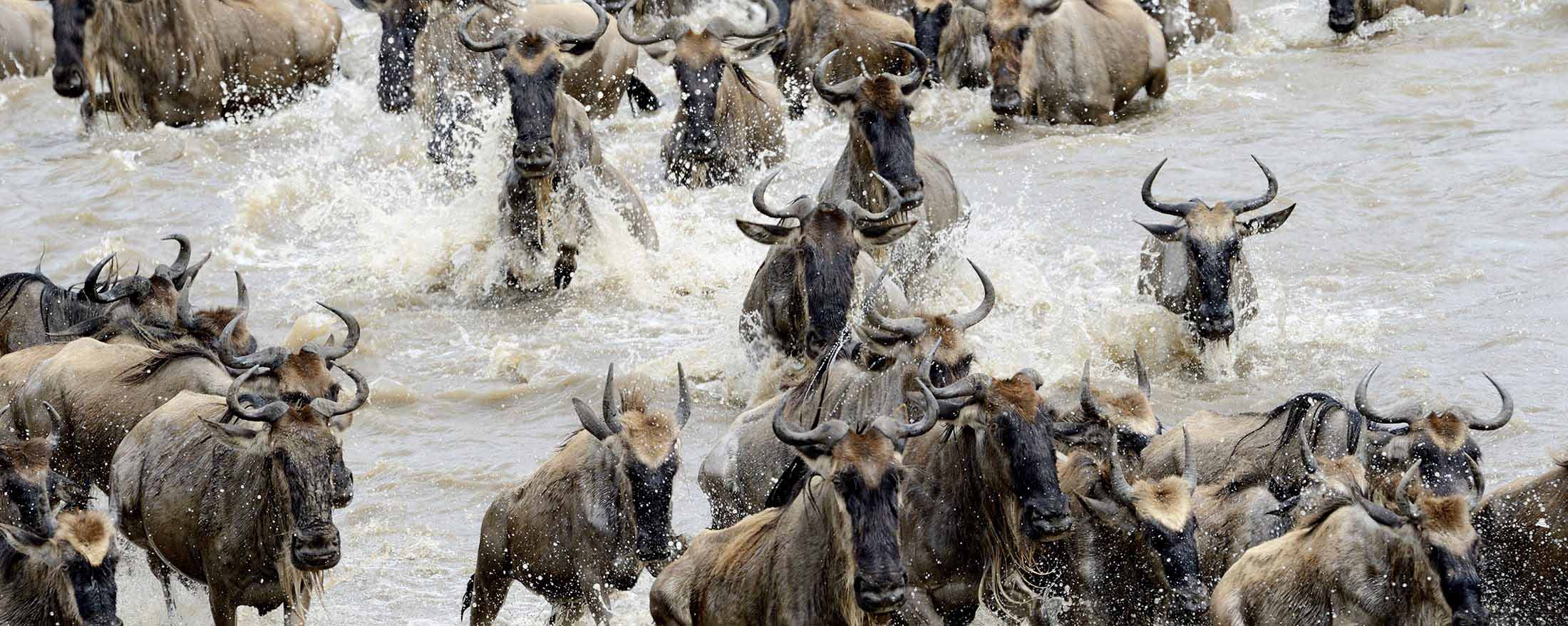
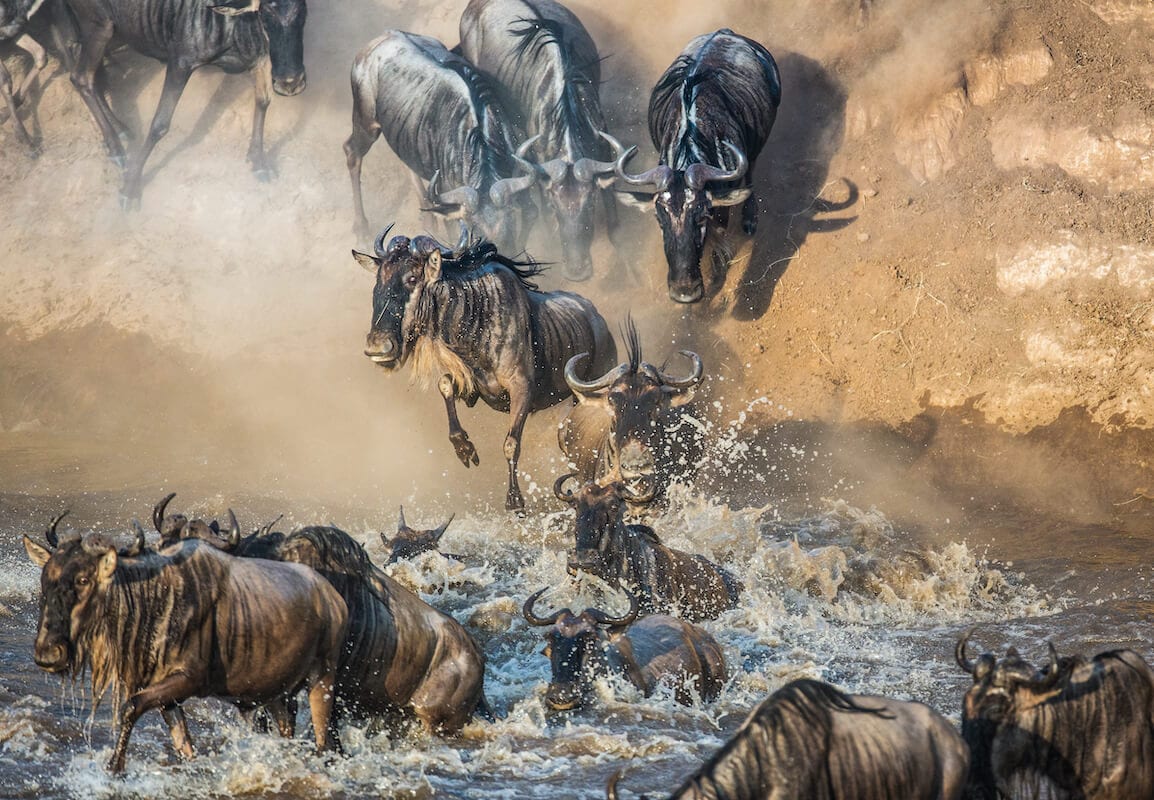
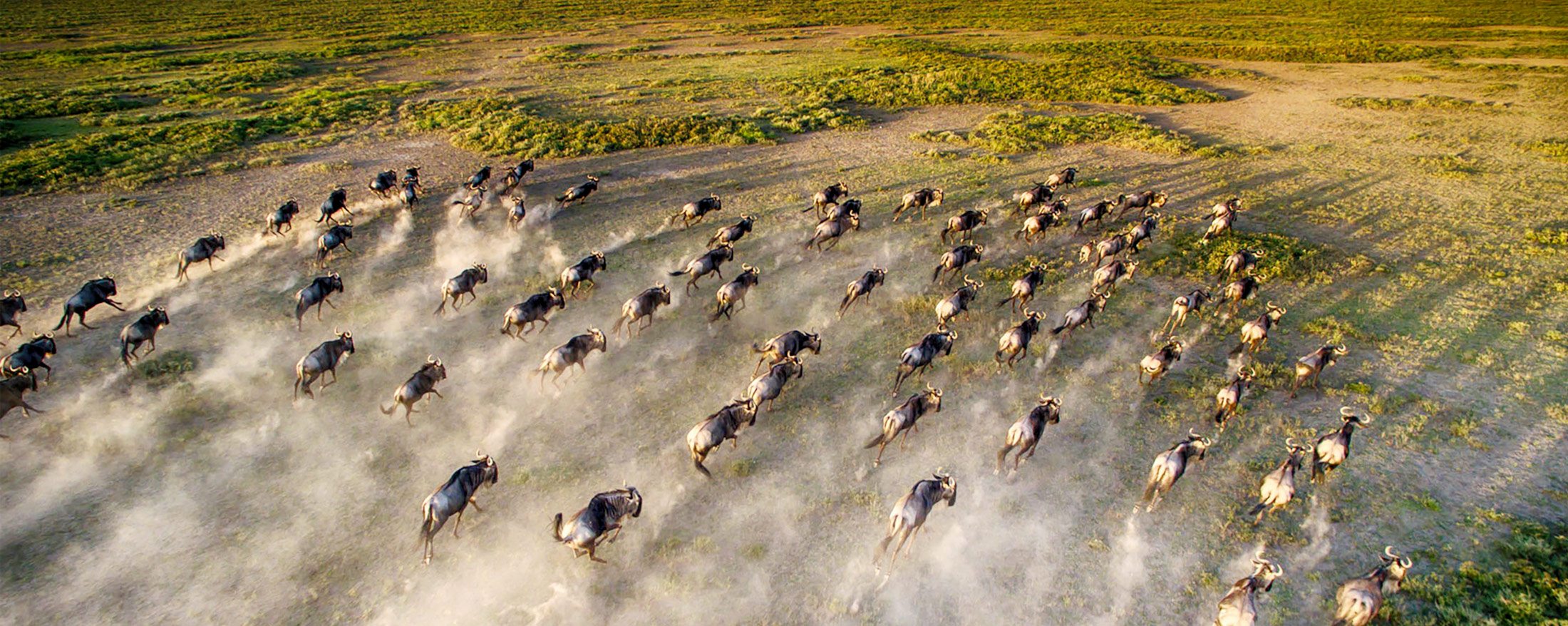
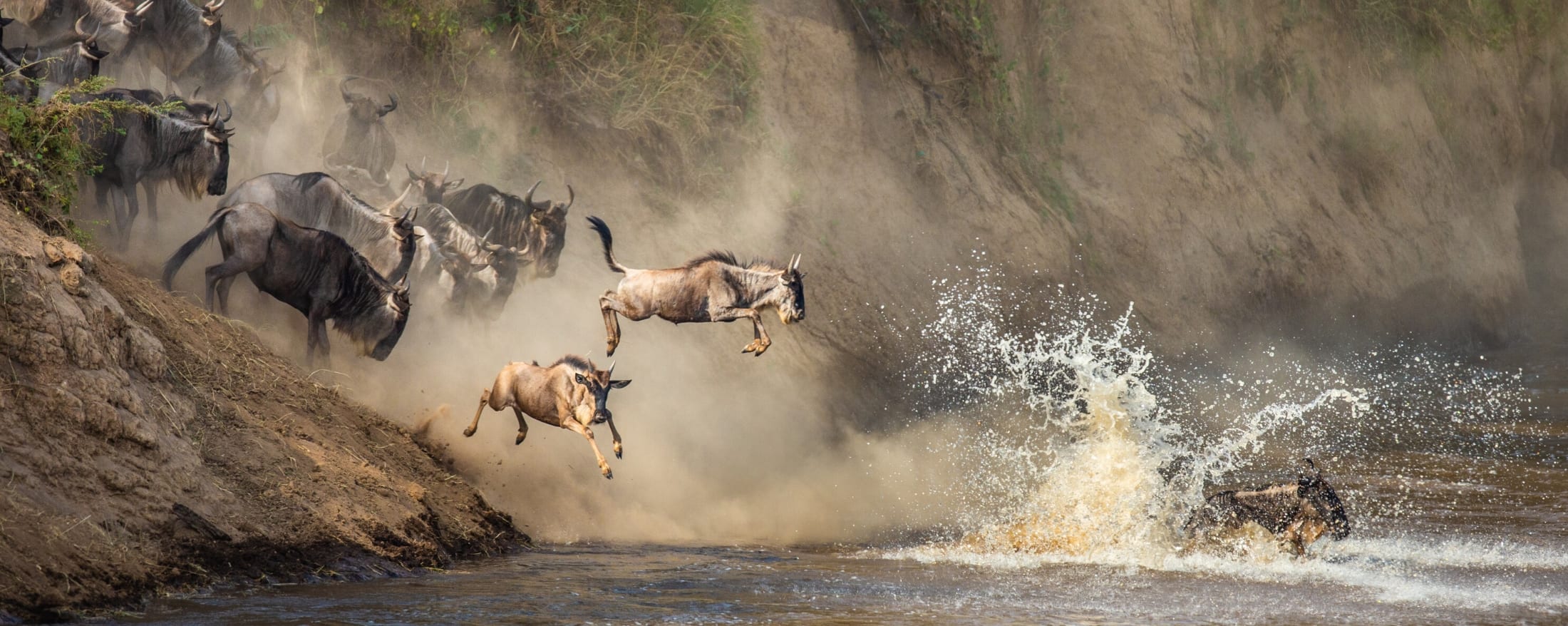
Towards the end of July is when the wildebeest migrating herds start arriving in Masai Mara and is when you could have a taste of the dramatic wildebeest river crossings. The weather is dry but not too dusty.

For August, the Great Migration safari is at its height. Temperatures are pleasant, and awe-inspiring action can be witnessed when thousands of zebras and wildebeest perform their death-defying river crossings, with hungry crocodiles in wait. The weather is generally dry during September and the game-viewing action continues.

As for the month of October, things start slowing down as the wildebeest migratory herds start leaving the Masai Mara, but Kenya still has plenty on offer for Big Five safari explorers.

Wet Season Kenya Climate

During the Wet season daytime temperatures are between 24°C/75°F and 27°C/81°F at higher altitudes. At lower altitudes daytime temperatures are more consistent and hover around 30°C/86°F. Mornings stay cool at higher altitudes, and it is advisable to pack warm clothes for early-morning game drives.

November & December – ‘Short rains’ – A period of unpredictable short rains between November and December that lasts about a month. The rain is sometimes heavy, but mostly falls in the late afternoon or evening, and will seldom have a negative impact on your safari.

November is the start of the short rainy season and most of the parks and camps remain open, while some camps close for renovations. In spite of the short rains, this is a good time to take the opportunity to enjoy a less crowded Kenya safari at lower prices.

December, the last month of the year can be very hot with potential rain, but viewing is great. December is also great for birdwatchers as bird numbers increase greatly at this time of the year.

Kenya Safari Weather Conditions

January & February – During these months, a hot, dry spell in the rainy season occurs. How long the spell lasts and when it takes place exactly is unpredictable.

January is a great time to visit Kenya for game viewing remember this is the height of the summer season. It’s also a good time for beach holidays along the Kenyan coast, though the temperatures remain high.

February is yet another great month for Kenya safaris, the central uplands are warm in the day and cool in the evening, while the coast is extremely hot in the daytime and temperatures follow suit in the evening.

March, April & May – ‘Long rains’ – These months get the most rain. It’s very cloudy, especially in the highlands, including in Aberdare National Park and Laikipia Plateau. Humidity is higher and will be particularly noticeable in the coastal regions.

Come March, the Kenya weather transitions quite quickly from ‘hot and dry’ to ‘wet and rainy’. Rain is commonplace throughout large parts of the country, and the savannah often becomes a muddy landscape. The tourist crowds are few and safari costs are lower.

April welcomes the wettest and rainiest months in Kenya. Nairobi and the central highlands are hot in the day and comfortable at night, while Mombasa is hot both in the day and at night. This is a good time to go on Kenya photo safaris.

The arrival of May signals the long rains have settled though it’s not an ideal time for a visit to powder-soft sand, Kenya beaches.
Ready to Plan Your Wildlife Photography Safari In Kenya?

Early preparations play a significant role in successful wildlife photography experiences in Africa. Understanding safari rhythms, seasonal patterns, and daily wildlife activity improves both photography opportunities and overall enjoyment.